

Treatment & Procedures

Treatment & Procedures

Robotic Surgery: Benefits and Recovery

Surgery can be a source of anxiety for many patients due to concerns about pain, recovery time, and outcomes. Over the past decade, robotic-assisted surgery has revolutionized the field of medicine, providing a minimally invasive, precise, and safer option for many procedures. Patients often ask: “What is robotic surgery, and how is recovery different?” At Max Super Specialist Hospital, we specialize in advanced robotic surgical techniques that help patients recover faster, reduce complications, and improve surgical outcomes. This guide explores the benefits of robotic surgery, how it works, and what patients can expect during recovery. What is Robotic Surgery? Robotic surgery, also known as robot-assisted surgery, uses advanced robotic systems controlled by surgeons to perform complex procedures with enhanced precision. Suggested Visuals: Diagram showing surgeon operating the robotic system and robotic arms in action. Types of Procedures Using Robotic Surgery Robotic surgery can be used in multiple specialties, including: Example: Studies show that robotic-assisted prostatectomy can reduce blood loss and improve precision compared to traditional surgery. Benefits of Robotic Surgery Robotic surgery offers numerous advantages for patients: 1. Minimally Invasive 2. Enhanced Precision 3. Reduced Blood Loss 4. Faster Recovery 5. Improved Outcomes Example: Research indicates that robotic cardiac surgeries have lower rates of post-operative complications and faster return to daily activities than traditional open-heart procedures. Suggested Visuals: Infographic comparing traditional vs. robotic surgery benefits. Preparing for Robotic Surgery Proper preparation ensures a smooth procedure and recovery: 1. Pre-Surgical Evaluation 2. Lifestyle Adjustments 3. Mental Preparation Suggested Visuals: Checklist infographic “Preparing for Robotic Surgery.” What to Expect During Surgery Tip: Despite the robotic assistance, the surgeon remains in full control throughout the surgery, ensuring safety and accuracy. Recovery After Robotic Surgery Recovery is one of the major advantages of robotic surgery: 1. Hospital Stay 2. Pain Management 3. Physical Activity 4. Follow-Up 5. Return to Daily Activities Suggested Visuals: Recovery timeline infographic “What to Expect After Robotic Surgery.” Risks and Considerations While robotic surgery is generally safe, potential risks include: Tip: Choosing an experienced surgical team and following post-operative instructions greatly reduces risks. Why Choose Max Super Specialist Hospital for Robotic Surgery? At Max Super Specialist Hospital, we provide: Call to Action: Take the next step toward a safer, faster recovery. Schedule a Consultation Today to discuss if robotic surgery is right for you. SEO Keywords to Include Naturally Conclusion Robotic surgery represents a major advancement in modern medicine, offering patients precision, safety, and faster recovery. With minimally invasive techniques, less pain, and improved outcomes, it is transforming surgical care across multiple specialties. At Max Super Specialist Hospital, our expert surgical team combines advanced robotic technology with compassionate patient care to help you achieve the best possible outcomes.
Treatment & Procedures

How LVAD Surgery Can Improve Heart Function

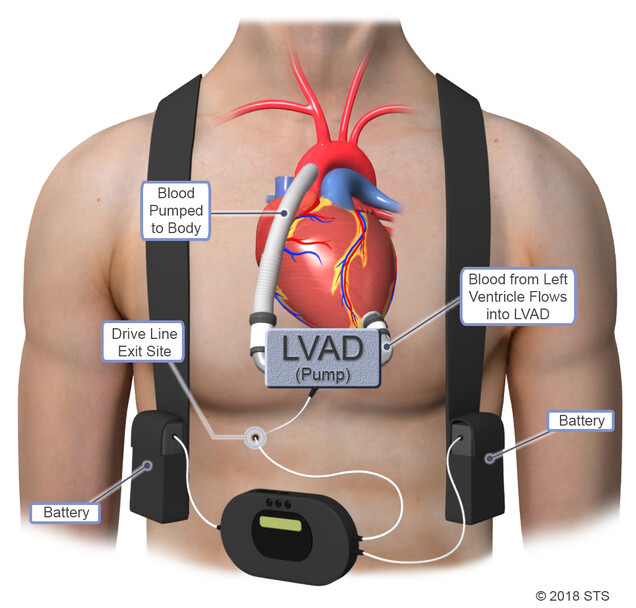
Introduction Heart failure affects millions of people worldwide, often making daily activities like walking, climbing stairs, or even resting difficult. For patients with severe heart failure, medications and lifestyle changes may no longer be enough. Many ask: “Is there a surgical option to help my heart work better?” Left Ventricular Assist Device (LVAD) surgery is a life-saving solution for patients with advanced heart failure. At Max Super Specialist Hospital, our cardiology team specializes in advanced heart therapies, including LVAD implantation, offering patients a chance to improve heart function, enhance quality of life, and bridge the gap to heart transplantation if needed. This guide explains what LVAD surgery is, who benefits from it, how it works, and what patients can expect before, during, and after surgery. What is LVAD Surgery? A Left Ventricular Assist Device (LVAD) is a mechanical pump that helps the left ventricle—the main pumping chamber of the heart—circulate blood throughout the body. Suggested Visuals: Diagram showing an LVAD device connected to the heart. Who Needs LVAD Surgery? LVAD surgery is typically recommended for patients with: Example: Studies show that LVAD implantation significantly improves survival rates and quality of life in patients with advanced heart failure. How LVAD Surgery Works 1. Pre-Surgical Evaluation Before surgery, patients undergo: 2. Surgical Procedure Duration: The surgery usually takes 4–6 hours, depending on complexity. 3. Immediate Post-Operative Care Suggested Visuals: Step-by-step illustration of LVAD placement and function. Benefits of LVAD Surgery LVAD surgery offers several key benefits for patients with advanced heart failure: 1. Improved Heart Function 2. Enhanced Quality of Life 3. Survival Advantage 4. Reduced Hospitalizations Example: One study found that 70% of LVAD patients reported significant improvement in their daily functioning within 6 months of implantation. Recovery and Lifestyle After LVAD Surgery Recovery is a crucial part of the success of LVAD therapy: 1. Hospital Stay 2. Rehabilitation 3. Daily Life Considerations 4. Emotional Support Suggested Visuals: Infographic “Life with LVAD: Key Tips for Patients.” Risks and Considerations While LVAD surgery is life-saving, it carries potential risks: Tip: Choosing an experienced cardiac surgery team and following all post-operative instructions significantly reduces risks. Why Choose Max Super Specialist Hospital? At Max Super Specialist Hospital, we provide: Call to Action: Take the first step toward improved heart function. Schedule a Consultation Today to see if LVAD therapy is right for you or your loved one. SEO Keywords to Include Naturally Conclusion LVAD surgery is a groundbreaking treatment for patients with advanced heart failure. By assisting the heart in pumping blood efficiently, LVADs improve survival, reduce symptoms, and enhance quality of life. With expert care, proper management, and rehabilitation, patients can regain independence and enjoy a better quality of life. At Max Super Specialist Hospital, our cardiac team is dedicated to providing state-of-the-art LVAD therapy with compassionate care.

rare case, Treatment & Procedures

Everything You Need to Know About Knee Replacement Surgery

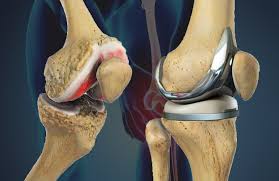
Introduction Knee pain can significantly affect daily life, limiting mobility and independence. For patients suffering from severe arthritis, injury, or joint degeneration, knee replacement surgery can be a life-changing solution. Many patients ask: “When is knee replacement necessary?” or “What does the surgery involve, and how long is recovery?” At Max Super Specialist Hospital, our orthopedic experts provide advanced knee replacement procedures with personalized care to help patients regain mobility, reduce pain, and improve quality of life. This guide explains everything you need to know about knee replacement surgery, from preparation to recovery. What is Knee Replacement Surgery? Knee replacement surgery, also called knee arthroplasty, is a procedure in which a damaged knee joint is replaced with an artificial implant. The goal is to restore function, reduce pain, and improve mobility. Types of Knee Replacement Surgery Suggested Visuals: Diagram comparing total vs. partial knee replacement. Who Needs Knee Replacement Surgery? Knee replacement is typically recommended for patients experiencing: Example: Studies show that patients with osteoarthritis who undergo knee replacement report a 90% improvement in pain and mobility within a year. Preparing for Knee Replacement Surgery Proper preparation improves surgical outcomes and speeds recovery. 1. Medical Evaluation 2. Lifestyle Adjustments 3. Physical Preparation Tip: Discuss all medications and supplements with your doctor before surgery. Suggested Visuals: Infographic “Pre-Surgery Checklist for Knee Replacement.” The Knee Replacement Procedure 1. Anesthesia Patients may receive general anesthesia (sleep throughout surgery) or spinal/epidural anesthesia (numb from waist down). 2. Surgical Steps 3. Duration The procedure typically takes 1–2 hours, depending on complexity. Example: Minimally invasive techniques can reduce hospital stay and improve recovery times. Suggested Visuals: Step-by-step illustration of knee replacement surgery. Recovery and Rehabilitation Recovery is a crucial part of successful knee replacement: 1. Hospital Stay 2. Physical Therapy 3. At-Home Care 4. Long-Term Recovery Example: Studies show that patients who actively participate in rehabilitation achieve faster mobility and less long-term pain. Suggested Visuals: Infographic “Knee Replacement Recovery Timeline.” Risks and Considerations While knee replacement is generally safe, potential risks include: Tip: Choosing an experienced orthopedic surgeon and following post-operative instructions significantly reduces complications. Tips for Successful Knee Replacement Outcomes Why Choose Max Super Specialist Hospital? At Max Super Specialist Hospital, we offer: Call to Action: Regain your mobility and live pain-free. Schedule a Consultation Today to discuss your knee replacement options with our experts.

Scroll to Top