Stone Man Syndrome (Fibrodysplasia Ossificans Progressiva): Understanding a Rare Condition
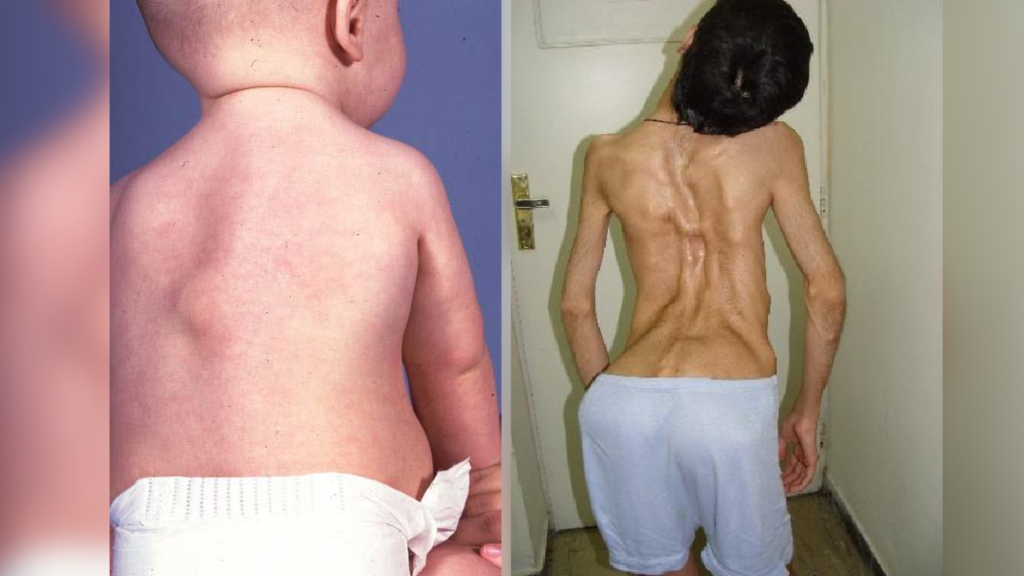
Introduction Imagine a condition where your muscles and ligaments slowly turn into bone, making movement increasingly difficult. This is the reality for individuals with Stone Man Syndrome, medically known as Fibrodysplasia Ossificans Progressiva (FOP). Many people ask: “What causes this condition, and can it be treated?” At Max Super Specialist Hospital, we aim to educate patients and families about rare medical conditions like FOP, providing reliable information and guidance. Although extremely rare, understanding the condition can help in early recognition and supportive care. What is Stone Man Syndrome? Fibrodysplasia Ossificans Progressiva (FOP) is a rare genetic disorder in which soft tissues—muscles, tendons, and ligaments—gradually transform into bone. Over time, this abnormal bone growth restricts movement and can severely impact daily life. How it Happens: Suggested Visuals: Diagram showing normal joints vs. FOP-affected joints. Causes of Stone Man Syndrome FOP is caused by a genetic mutation in the ACVR1 gene. Key Point: The genetic mutation cannot be reversed, and there is currently no cure for FOP. Symptoms and Progression Early Signs: Later Symptoms: Triggering Factors: Even minor injuries, intramuscular injections, or viral illnesses can accelerate abnormal bone growth. Example: A small fall or bump can result in new bone forming along the injured muscle, further limiting movement. Suggested Visuals: Timeline infographic showing progression of FOP symptoms. Diagnosis Diagnosis is usually based on: Tip: Early diagnosis is essential to prevent unnecessary procedures, as surgeries can worsen the condition by triggering new bone growth. Treatment and Management Currently, there is no cure for Stone Man Syndrome. Treatment focuses on: 1. Symptom Management 2. Injury Prevention 3. Supportive Care Research: Experimental treatments and gene-targeted therapies are being studied, but none are yet widely available. Suggested Visuals: Infographic “FOP Management and Care Tips.” Rarity and Awareness Example: Early recognition and careful management can prevent complications and improve quality of life. Living with Stone Man Syndrome Living with FOP requires a careful approach to everyday activities: Tip: Families can connect with rare disease organizations for guidance, peer support, and ongoing research updates. Call to Action While FOP is rare and challenging, early recognition and careful management are essential. At Max Super Specialist Hospital, our team provides: Contact Us today for consultation or more information on managing rare conditions like Stone Man Syndrome.