

Hospital News & Updates

Healthy Lifestyle, Hospital News & Updates

Exercises for Joint Health and Flexibility: Stay Active and Pain-Free

Healthy joints are essential for movement, daily activities, and overall quality of life. Joint stiffness, pain, or reduced flexibility can limit mobility and affect independence. Many people ask: “How can I keep my joints healthy as I age?” At Max Super Specialist Hospital, we emphasize preventive care and safe exercise routines to maintain joint health. Regular exercises improve joint flexibility, strengthen surrounding muscles, and reduce the risk of injury. This guide shares practical exercises and tips to keep your joints healthy and flexible at any age. Why Joint Health Matters Joints are where two or more bones meet, allowing movement and flexibility. Healthy joints: Example: Studies show that regular joint exercises reduce the risk of osteoarthritis and improve daily functioning in older adults. Suggested Visuals: Diagram showing major joints in the human body. Warm-Up: Preparing Your Joints Before exercising, a gentle warm-up increases blood flow and reduces injury risk. Simple Warm-Up Exercises: Tip: Spend 5–10 minutes warming up before any exercise session. Exercises to Improve Joint Flexibility 1. Shoulder Rolls and Stretches 2. Neck Stretch 3. Wrist and Hand Flexibility Exercises 4. Hip Circles 5. Knee Bends (Mini Squats) 6. Ankle Rotations Suggested Visuals: Infographic showing “Top Joint Flexibility Exercises.” Strengthening Exercises for Joint Support Strong muscles support joints and reduce the risk of injury: 1. Leg Raises 2. Wall Push-Ups 3. Resistance Band Exercises Tip: Aim for 2–3 sets of 10–15 repetitions for each exercise. Low-Impact Activities for Joint Health Engaging in low-impact exercises reduces stress on the joints while promoting flexibility and strength: Example: Studies show that regular swimming reduces pain and stiffness in patients with arthritis. Tips for Safe Joint Exercise Suggested Visuals: Safety infographic: “Joint Exercise Do’s and Don’ts.” When to Seek Medical Advice Consult a healthcare professional if you experience: At Max Super Specialist Hospital, our orthopedic specialists provide comprehensive evaluation, treatment, and personalized exercise programs for joint health.
Hospital News & Updates

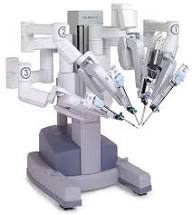
Max Super Specialist Hospital Introduces Advanced Robotic Surgery

Introduction Surgery is evolving, and technology is transforming how patients experience care. Max Super Specialist Hospital is proud to announce the introduction of advanced robotic surgery, a revolutionary approach that combines precision, safety, and faster recovery. Patients often ask: “What makes robotic surgery different?” or “How can it benefit me?” Robotic-assisted surgery allows our expert surgeons to perform complex procedures with unparalleled accuracy, minimal invasiveness, and improved outcomes. This guide explains what robotic surgery is, its benefits, the types of procedures offered, and what patients can expect before and after surgery. What is Advanced Robotic Surgery? Robotic surgery, also known as robot-assisted surgery, uses state-of-the-art robotic systems controlled by surgeons to perform delicate procedures. Suggested Visuals: Diagram showing a surgeon controlling the robotic system during surgery. Benefits of Robotic Surgery Introducing robotic surgery at Max Super Specialist Hospital brings several advantages for patients: 1. Minimally Invasive Procedure Smaller incisions mean less trauma, reduced bleeding, and minimal scarring. 2. Greater Precision Robotic instruments allow surgeons to operate with unmatched accuracy, especially in hard-to-reach areas. 3. Reduced Pain and Faster Recovery Patients experience less post-operative pain and a shorter hospital stay, allowing quicker return to daily activities. 4. Improved Surgical Outcomes Enhanced visualization and precise control improve success rates and reduce complications. 5. Versatility Across Specialties Robotic surgery can be used in multiple areas: Example: Clinical studies show that robotic-assisted surgeries often result in fewer complications and faster recovery compared to traditional open surgery. Preparing for Robotic Surgery Proper preparation ensures a safe procedure and smooth recovery: 1. Pre-Surgical Evaluation 2. Lifestyle Adjustments 3. Mental Preparation Suggested Visuals: Checklist infographic: “Preparing for Robotic Surgery at Max Hospital.” What to Expect During Surgery Tip: Although robotic technology assists in surgery, the surgeon remains in full control throughout, ensuring safety and accuracy. Recovery After Robotic Surgery Recovery is one of the key benefits of robotic surgery: 1. Shorter Hospital Stay 2. Pain Management 3. Early Mobility 4. Follow-Up Care 5. Return to Normal Activities Suggested Visuals: Infographic: “Robotic Surgery Recovery Timeline.” Why Max Super Specialist Hospital Leads in Robotic Surgery At Max Super Specialist Hospital, we combine cutting-edge technology with expert care: Example: Patients undergoing robotic-assisted knee replacement at Max Hospital report less pain, faster mobility, and higher satisfaction compared to traditional surgery methods. Risks and Considerations While robotic surgery is generally safe, potential risks include: Tip: Choosing a hospital with experienced surgeons and following all recovery guidelines significantly reduces risks.

Scroll to Top