

Health Awareness & Education

Health Awareness & Education

Tips for Mental Health and Stress Management: Caring for Your Mind and Well-Being

In today’s fast-paced world, stress and mental health challenges affect people of all ages. Many patients ask: “How can I manage stress effectively?” or “What steps can I take to maintain good mental health?” Mental well-being is just as important as physical health. Prolonged stress or untreated mental health conditions can lead to anxiety, depression, or physical problems such as high blood pressure and sleep disturbances. At Max Super Specialist Hospital, we focus on holistic care, providing guidance and support to help individuals maintain a balanced mind and body. This guide shares practical tips for mental health and stress management, helping patients and families lead healthier, more fulfilling lives. Understanding Stress and Mental Health Stress is the body’s natural response to challenges, but chronic stress can negatively impact mental and physical health. Mental health includes emotional, psychological, and social well-being, affecting how we think, feel, and behave. Common Signs of Stress and Mental Health Strain: Example: Studies show that chronic stress can weaken the immune system and increase the risk of cardiovascular diseases. Suggested Visuals: Infographic showing “Signs of Stress and Poor Mental Health.” Practical Tips for Managing Stress Stress management is about finding techniques that help your mind and body relax and recover. Here are effective strategies: 1. Practice Mindfulness and Meditation Mindfulness involves paying attention to the present moment without judgment. Meditation can reduce anxiety, lower blood pressure, and improve sleep quality. Tip: Start with 5–10 minutes daily and gradually increase duration. 2. Exercise Regularly Physical activity releases endorphins, which improve mood and reduce stress. Activities like walking, yoga, swimming, or dancing are excellent options. Example: Adults who exercise 30 minutes a day, 5 days a week, report significantly lower stress levels. 3. Maintain a Healthy Diet Nutrition affects mental health. Include: Avoid excessive caffeine, sugar, and processed foods, which may worsen anxiety or mood swings. 4. Prioritize Sleep Sleep is essential for mental and physical recovery. Adults need 7–9 hours of quality sleep. Tip: Maintain a consistent sleep schedule, avoid screens before bedtime, and create a relaxing bedtime routine. 5. Build a Support System Talking with trusted friends, family, or support groups can relieve stress and provide perspective. Suggested Visuals: Infographic showing “5 Simple Stress Management Techniques.” Coping Strategies for Mental Well-Being In addition to managing stress, it’s important to actively nurture mental health: 1. Set Realistic Goals Break tasks into smaller, manageable steps. Celebrate small achievements to boost confidence and reduce overwhelm. 2. Limit Stress Triggers Identify triggers such as overworking, negative news, or toxic relationships, and set boundaries where possible. 3. Practice Gratitude and Positive Thinking Journaling or reflecting on things you are grateful for improves mood and resilience. 4. Engage in Hobbies and Leisure Activities Creative outlets like painting, reading, or music can reduce stress and enhance overall well-being. 5. Seek Professional Help When Needed Mental health professionals, including psychologists, psychiatrists, or counselors, can provide support for anxiety, depression, or chronic stress. Example: Cognitive Behavioral Therapy (CBT) is highly effective in reducing anxiety and depression by helping patients change negative thought patterns. Suggested Visuals: Flowchart showing “Steps to Improve Mental Health.” Stress Management in the Workplace Work-related stress is common and can impact both productivity and personal life. Tip: Work-life balance is essential for long-term mental health. Stress Management in Children and Adolescents Mental health support is critical from a young age. Parents and caregivers can help children cope with stress: Suggested Visuals: Infographic: “Tips for Children’s Mental Health and Stress Relief.” When to Seek Help Seek medical or professional help if stress or mental health issues: At Max Super Specialist Hospital, our mental health specialists offer counseling, therapy, and medical management tailored to individual needs. Call to Action: Prioritize your mental well-being today. Book a Mental Health Consultation or explore our other wellness resources for practical guidance on coping with stress. SEO Keywords to Include Naturally Conclusion Maintaining mental health and managing stress are essential for overall well-being. By practicing mindfulness, exercising, eating healthily, and seeking support when needed, individuals can lead balanced and fulfilling lives. Remember, mental health is as important as physical health. At Max Super Specialist Hospital, we are here to guide you with professional care, support, and resources to help you thrive mentally and emotionally.

Health Awareness & Education

Importance of Vaccinations for Adults and Children: Protecting Health at Every Age

Vaccinations are one of the most effective ways to prevent serious illnesses and protect both individuals and communities. While many people associate vaccines with childhood, adults also need certain vaccines to maintain health. Many patients ask: “Do I really need vaccines as an adult?” or “Which vaccines are essential for my child?” Understanding the importance of immunization can help prevent life-threatening diseases and ensure long-term well-being. At Max Super Specialist Hospital, we emphasize vaccination as a critical part of preventive healthcare for patients of all ages. This guide explains why vaccines matter, which vaccines are recommended, and how they keep families safe. Why Vaccinations Matter Vaccines work by training the immune system to recognize and fight harmful pathogens like bacteria and viruses. This prevents diseases such as measles, influenza, hepatitis, and COVID-19. Vaccination benefits include: Example: According to the World Health Organization, vaccines prevent 2–3 million deaths annually worldwide. Suggested Visuals: Infographic showing “How Vaccines Protect You and Your Community” or a chart of diseases prevented by vaccines. Recommended Vaccinations for Children Childhood vaccination schedules are designed to protect children from the most dangerous infections during their formative years. 1. Essential Childhood Vaccines 2. Benefits of Childhood Vaccination Tip: Follow the vaccination schedule recommended by pediatricians and your local health authority. Suggested Visuals: Timeline infographic showing “Vaccines by Age for Children.” Recommended Vaccinations for Adults Many adults believe vaccines are only for children, but immunity can wane over time, and some diseases can be more severe in adulthood. 1. Common Adult Vaccines 2. Special Considerations Example: Studies show that adult influenza vaccination reduces hospitalization by up to 60% in older adults. Suggested Visuals: Chart showing “Adult Vaccines and Recommended Schedule.” Common Myths About Vaccines Despite proven benefits, some people hesitate to vaccinate due to misconceptions. Tip: Always consult a healthcare professional for reliable information instead of relying on myths or misinformation. Safety and Side Effects Vaccines are extensively tested for safety before approval. Mild side effects like soreness at the injection site, low-grade fever, or fatigue may occur but usually resolve within a few days. Severe side effects are extremely rare. Tip: Keep a vaccination record and inform your doctor of allergies or medical conditions before receiving vaccines. How Vaccinations Protect Communities Vaccines are not just personal protection—they are a public health tool: Suggested Visuals: Infographic on “Herd Immunity Explained” with a visual of vaccinated vs. unvaccinated populations. Call to Action Protect yourself and your loved ones by staying up-to-date with vaccinations. At Max Super Specialist Hospital, we provide: Book an Appointment Today to discuss your vaccination plan or read our related health blogs for more information on preventive care. SEO Keywords to Include Naturally Conclusion Vaccinations are a safe, effective, and essential way to protect health at every age. From infancy through adulthood, vaccines prevent serious diseases, reduce healthcare costs, and strengthen community immunity. Staying informed, following recommended schedules, and consulting trusted healthcare providers ensures a healthier future for you and your family.

Health Awareness & Education, rare case

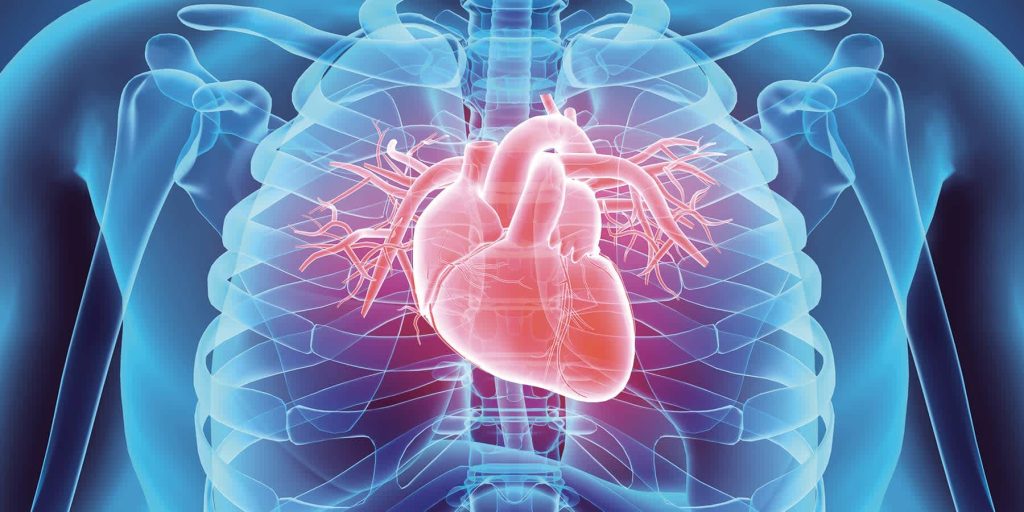
Early Signs of Heart Disease, Diabetes Management, and High Blood Pressure: A Comprehensive Guide

Introduction Heart disease, diabetes, and high blood pressure are among the most common health conditions affecting millions worldwide. Many patients often ask: “How can I know if I’m at risk, and what can I do to stay healthy?” Understanding the early signs of these conditions and learning how to manage them effectively can save lives. At Max Super Specialist Hospital, we are committed to providing reliable information and expert guidance to help patients and their families make informed health decisions. This guide will explore the early warning signs of heart disease, strategies to manage diabetes effectively, and ways to control high blood pressure, offering practical tips for a healthier life. Early Signs of Heart Disease Heart disease develops gradually, and recognizing early signs can prevent severe complications such as heart attacks. Here are some common indicators: 1. Chest Discomfort or Pain While not always severe, chest discomfort may signal reduced blood flow to the heart. Patients often describe it as pressure, tightness, or a squeezing sensation. 2. Shortness of Breath Feeling unusually short of breath during activities that were once easy, like climbing stairs, may indicate early heart problems. 3. Fatigue and Weakness Persistent fatigue without a clear reason can sometimes be a subtle sign of heart disease, especially in women. 4. Swelling in the Legs or Ankles Fluid buildup, known as edema, can occur when the heart struggles to pump blood effectively. 5. Palpitations or Irregular Heartbeat A fluttering or racing heartbeat may be a sign of arrhythmia or other cardiac issues. Tip: If you notice any of these symptoms, consult your cardiologist immediately. Early intervention can make a significant difference. Suggested Visuals: Infographic showing “Top 5 Early Signs of Heart Disease” or a chart illustrating risk factors like high cholesterol, smoking, and sedentary lifestyle. How to Prevent Heart Disease Prevention is always better than cure. Small lifestyle changes can significantly reduce your risk: Example: Studies show that patients who exercise regularly and follow a heart-healthy diet reduce their risk of heart disease by up to 40%. How to Manage Diabetes Effectively Diabetes is a chronic condition that affects the body’s ability to regulate blood sugar. Proper management prevents complications such as kidney disease, vision problems, and heart disease. 1. Understand Your Type of Diabetes 2. Monitor Blood Sugar Regularly Regular glucose monitoring helps track patterns and prevent spikes or drops. 3. Maintain a Balanced Diet 4. Exercise Consistently Physical activity improves insulin sensitivity and lowers blood sugar. Even a daily 30-minute walk can make a difference. 5. Medication Adherence Take prescribed medications consistently, and consult your doctor before making any changes. Example: Patients who combine medication with lifestyle changes often maintain better long-term glucose control than those relying solely on medicine. Suggested Visuals: Chart showing “Healthy Plate for Diabetic Patients” or infographic on “Daily Blood Sugar Monitoring Tips.” Understanding High Blood Pressure: Causes & Remedies High blood pressure, or hypertension, is often called the “silent killer” because it may not show symptoms until severe damage occurs. Causes of High Blood Pressure Symptoms to Watch For Remedies and Management Tips Example: Studies indicate that patients who reduce salt intake and maintain a healthy weight can lower blood pressure by up to 10 mmHg, reducing cardiovascular risk significantly. Suggested Visuals: Infographic on “Top Lifestyle Changes to Reduce Blood Pressure” or chart comparing normal vs. high blood pressure readings. When to Contact Your Doctor If you experience any symptoms related to heart disease, diabetes, or high blood pressure, don’t wait. Early diagnosis and intervention are crucial. At Max Super Specialist Hospital, our specialists provide personalized care, advanced diagnostics, and lifestyle counseling to help you stay healthy. Call to Action: Take the first step toward better health. Book an Appointment Today or explore our related health blogs for more guidance. Suggested SEO Keywords to Naturally Include: Visual Summary: Include a “Quick Health Tips” infographic combining heart disease, diabetes, and blood pressure advice. Conclusion Preventing and managing chronic conditions like heart disease, diabetes, and high blood pressure is achievable with awareness, lifestyle modifications, and regular medical care. Recognizing early warning signs, adopting healthy habits, and seeking timely medical advice can significantly improve quality of life. At Max Super Specialist Hospital, our team of experts is here to guide you every step of the way—because your heart health, well-being, and peace of mind matter.

Scroll to Top