

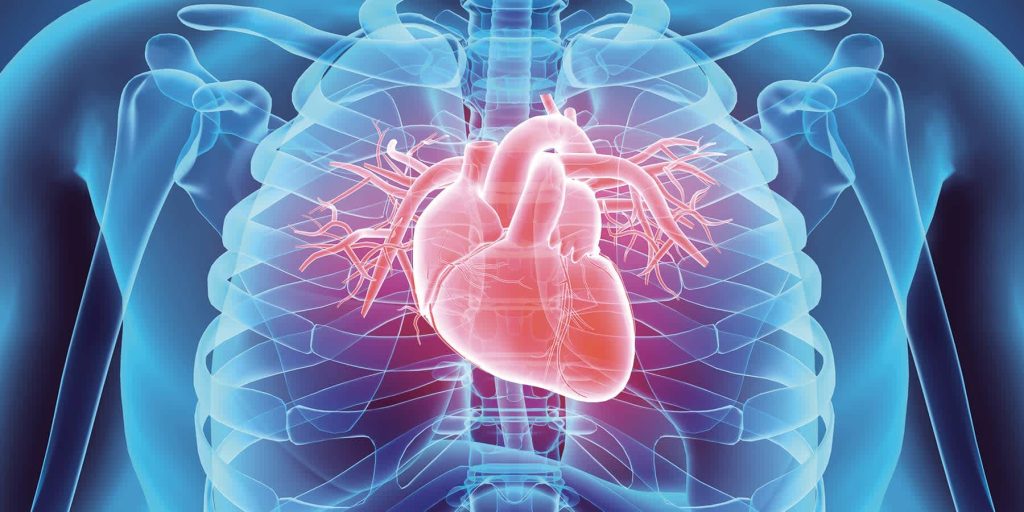
Early Signs of Heart Disease, Diabetes Management, and High Blood Pressure: A Comprehensive Guide
Introduction Heart disease, diabetes, and high blood pressure are among the most common health conditions affecting millions worldwide. Many patients often ask: “How can I know if I’m at risk, and what can I do to stay healthy?” Understanding the early signs of these conditions and learning how to manage them effectively can save lives. At Max Super Specialist Hospital, we are committed to providing reliable information and expert guidance to help patients and their families make informed health decisions. This guide will explore the early warning signs of heart disease, strategies to manage diabetes effectively, and ways to control high blood pressure, offering practical tips for a healthier life. Early Signs of Heart Disease Heart disease develops gradually, and recognizing early signs can prevent severe complications such as heart attacks. Here are some common indicators: 1. Chest Discomfort or Pain While not always severe, chest discomfort may signal reduced blood flow to the heart. Patients often describe it as pressure, tightness, or a squeezing sensation. 2. Shortness of Breath Feeling unusually short of breath during activities that were once easy, like climbing stairs, may indicate early heart problems. 3. Fatigue and Weakness Persistent fatigue without a clear reason can sometimes be a subtle sign of heart disease, especially in women. 4. Swelling in the Legs or Ankles Fluid buildup, known as edema, can occur when the heart struggles to pump blood effectively. 5. Palpitations or Irregular Heartbeat A fluttering or racing heartbeat may be a sign of arrhythmia or other cardiac issues. Tip: If you notice any of these symptoms, consult your cardiologist immediately. Early intervention can make a significant difference. Suggested Visuals: Infographic showing “Top 5 Early Signs of Heart Disease” or a chart illustrating risk factors like high cholesterol, smoking, and sedentary lifestyle. How to Prevent Heart Disease Prevention is always better than cure. Small lifestyle changes can significantly reduce your risk: Example: Studies show that patients who exercise regularly and follow a heart-healthy diet reduce their risk of heart disease by up to 40%. How to Manage Diabetes Effectively Diabetes is a chronic condition that affects the body’s ability to regulate blood sugar. Proper management prevents complications such as kidney disease, vision problems, and heart disease. 1. Understand Your Type of Diabetes 2. Monitor Blood Sugar Regularly Regular glucose monitoring helps track patterns and prevent spikes or drops. 3. Maintain a Balanced Diet 4. Exercise Consistently Physical activity improves insulin sensitivity and lowers blood sugar. Even a daily 30-minute walk can make a difference. 5. Medication Adherence Take prescribed medications consistently, and consult your doctor before making any changes. Example: Patients who combine medication with lifestyle changes often maintain better long-term glucose control than those relying solely on medicine. Suggested Visuals: Chart showing “Healthy Plate for Diabetic Patients” or infographic on “Daily Blood Sugar Monitoring Tips.” Understanding High Blood Pressure: Causes & Remedies High blood pressure, or hypertension, is often called the “silent killer” because it may not show symptoms until severe damage occurs. Causes of High Blood Pressure Symptoms to Watch For Remedies and Management Tips Example: Studies indicate that patients who reduce salt intake and maintain a healthy weight can lower blood pressure by up to 10 mmHg, reducing cardiovascular risk significantly. Suggested Visuals: Infographic on “Top Lifestyle Changes to Reduce Blood Pressure” or chart comparing normal vs. high blood pressure readings. When to Contact Your Doctor If you experience any symptoms related to heart disease, diabetes, or high blood pressure, don’t wait. Early diagnosis and intervention are crucial. At Max Super Specialist Hospital, our specialists provide personalized care, advanced diagnostics, and lifestyle counseling to help you stay healthy. Call to Action: Take the first step toward better health. Book an Appointment Today or explore our related health blogs for more guidance. Suggested SEO Keywords to Naturally Include: Visual Summary: Include a “Quick Health Tips” infographic combining heart disease, diabetes, and blood pressure advice. Conclusion Preventing and managing chronic conditions like heart disease, diabetes, and high blood pressure is achievable with awareness, lifestyle modifications, and regular medical care. Recognizing early warning signs, adopting healthy habits, and seeking timely medical advice can significantly improve quality of life. At Max Super Specialist Hospital, our team of experts is here to guide you every step of the way—because your heart health, well-being, and peace of mind matter.