Surgery can be a source of anxiety for many patients due to concerns about pain, recovery time, and outcomes. Over the past decade, robotic-assisted surgery has revolutionized the field of medicine, providing a minimally invasive, precise, and safer option for many procedures. Patients often ask: “What is robotic surgery, and how is recovery different?”
At Max Super Specialist Hospital, we specialize in advanced robotic surgical techniques that help patients recover faster, reduce complications, and improve surgical outcomes. This guide explores the benefits of robotic surgery, how it works, and what patients can expect during recovery.
What is Robotic Surgery?
Robotic surgery, also known as robot-assisted surgery, uses advanced robotic systems controlled by surgeons to perform complex procedures with enhanced precision.
- The surgeon operates from a console, guiding robotic arms equipped with specialized surgical instruments.
- High-definition 3D cameras provide magnified views of the surgical area.
- This technology allows for minimally invasive procedures with smaller incisions compared to traditional open surgery.
Suggested Visuals: Diagram showing surgeon operating the robotic system and robotic arms in action.
Types of Procedures Using Robotic Surgery
Robotic surgery can be used in multiple specialties, including:
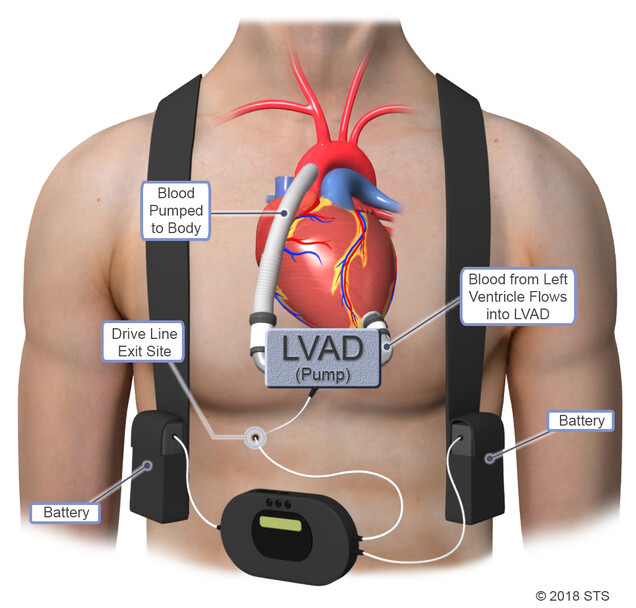
- Cardiac Surgery: Heart valve repair, coronary artery procedures
- Urology: Prostatectomy, kidney surgeries
- Gynecology: Hysterectomy, fibroid removal
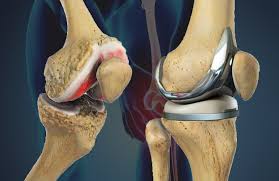
- Orthopedics: Joint replacement, spine surgery
- General Surgery: Gallbladder removal, hernia repair
Example: Studies show that robotic-assisted prostatectomy can reduce blood loss and improve precision compared to traditional surgery.
Benefits of Robotic Surgery
Robotic surgery offers numerous advantages for patients:
1. Minimally Invasive
- Smaller incisions lead to less scarring and reduced risk of infection.
2. Enhanced Precision
- Robotic instruments allow surgeons to operate with greater accuracy, especially in delicate or hard-to-reach areas.
3. Reduced Blood Loss
- Less trauma to surrounding tissues often results in reduced intraoperative blood loss.
4. Faster Recovery
- Patients often experience less pain and a shorter hospital stay compared to traditional open surgery.
5. Improved Outcomes
- High precision can improve surgical success rates and reduce complications.
Example: Research indicates that robotic cardiac surgeries have lower rates of post-operative complications and faster return to daily activities than traditional open-heart procedures.
Suggested Visuals: Infographic comparing traditional vs. robotic surgery benefits.
Preparing for Robotic Surgery
Proper preparation ensures a smooth procedure and recovery:
1. Pre-Surgical Evaluation
- Blood tests, imaging, and consultations to assess overall health
- Discuss medications, allergies, and previous medical history with your surgeon
2. Lifestyle Adjustments
- Healthy diet, regular exercise, and quitting smoking enhance healing
- Follow preoperative instructions such as fasting before surgery
3. Mental Preparation
- Understanding the procedure and recovery process reduces anxiety
- Discuss expectations with your surgeon or nurse
Suggested Visuals: Checklist infographic “Preparing for Robotic Surgery.”
What to Expect During Surgery
- Patients are placed under general anesthesia.
- The surgeon operates the robotic system from a console, guiding instruments with precision.
- Surgery duration depends on the complexity of the procedure.
Tip: Despite the robotic assistance, the surgeon remains in full control throughout the surgery, ensuring safety and accuracy.
Recovery After Robotic Surgery
Recovery is one of the major advantages of robotic surgery:
1. Hospital Stay
- Usually shorter than traditional surgery (1–3 days for many procedures)
- Patients are monitored for pain, vital signs, and potential complications
2. Pain Management
- Less invasive surgery usually results in less post-operative pain
- Pain medications and non-drug therapies are used as needed
3. Physical Activity
- Patients are encouraged to move early to improve circulation and prevent complications
- Specific physiotherapy may be prescribed depending on the surgery
4. Follow-Up
- Regular follow-ups with the surgeon to monitor healing and progress
- Removal of any small sutures or surgical staples, if applicable
5. Return to Daily Activities
- Many patients resume normal activities within 1–4 weeks
- Heavy lifting and strenuous activity may be restricted for several weeks
Suggested Visuals: Recovery timeline infographic “What to Expect After Robotic Surgery.”
Risks and Considerations
While robotic surgery is generally safe, potential risks include:
- Infection or bleeding
- Anesthesia complications
- Rare mechanical or technical issues with the robotic system
- Procedure-specific complications
Tip: Choosing an experienced surgical team and following post-operative instructions greatly reduces risks.
Why Choose Max Super Specialist Hospital for Robotic Surgery?
At Max Super Specialist Hospital, we provide:
- Advanced robotic surgical systems and technology
- Experienced surgeons trained in robotic-assisted procedures
- Personalized patient care before, during, and after surgery
- Comprehensive rehabilitation programs to support faster recovery
Call to Action: Take the next step toward a safer, faster recovery. Schedule a Consultation Today to discuss if robotic surgery is right for you.
SEO Keywords to Include Naturally
- Robotic surgery benefits
- Robotic-assisted procedures
- Minimally invasive surgery
- Faster recovery surgery
- Hospital robotic surgery services
- Advanced surgical technology
Conclusion
Robotic surgery represents a major advancement in modern medicine, offering patients precision, safety, and faster recovery. With minimally invasive techniques, less pain, and improved outcomes, it is transforming surgical care across multiple specialties. At Max Super Specialist Hospital, our expert surgical team combines advanced robotic technology with compassionate patient care to help you achieve the best possible outcomes.